
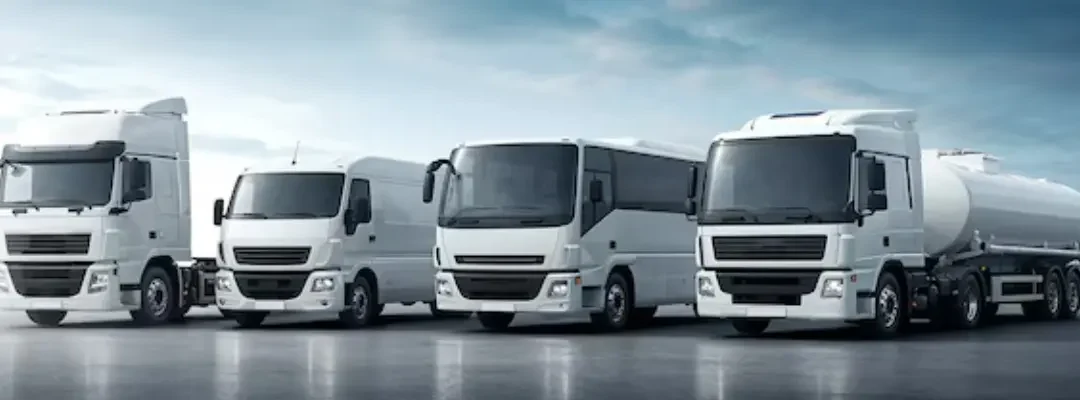
Buying a commercial vehicle is not just a “vehicle decision”—it’s a route + revenue + uptime decision. Many buyers choose a model based on price or brand, then struggle with fuel cost, tyre wear, downtime, and compliance expenses.
Use this practical checklist to buy the right truck for your business—whether you’re moving goods for your own company or running trips as an operator.
Before you finalize any truck purchase, confirm:
- Right vehicle for your load + route
- Total cost of ownership (TCO), not just EMI
- Compliance & lifecycle rules (BS-VI, fitness, scrappage)
- Financing and utilization plan (monthly km + seasonality)
- Service network, uptime support, and resale value
1) Choose the Vehicle Based on Load Type + Route Reality
Match the truck to your work (not to “market talk”)
Ask these questions:
- Are you moving high-volume cartons or high-weight materials?
- Is the route mostly city + short trips, or highway + long hauls?
- Do you need open body, closed body, or container for safety and weather protection?
Practical checks that prevent wrong purchase
- Payload requirement: Plan for legal payload, not “how much can fit.”
- Body length & loading method: Forklift and pallet loads need proper bed space.
- Access constraints: Narrow lanes, height restrictions, and ghat roads can make a bigger vehicle unusable.
- Return load chances: A route with poor backhaul often needs better fuel efficiency and stronger cost control.
2) Calculate Total Cost of Ownership (TCO) Before You Compare EMIs
A truck that is cheaper on-road can become expensive in real operations.
What TCO should include (simple structure)
Monthly TCO = EMI + Fuel + Maintenance + Tyres + Insurance + Driver Cost + Permits/Compliance + Downtime Loss
The biggest hidden costs buyers miss
- Fuel efficiency drop on overloaded routes or stop-go city driving
- Tyre replacements (often route + load dependent)
- Unplanned repairs and parts availability delays
- Downtime cost: one missed trip can wipe out a week of “savings”
Practical method: estimate your monthly km, multiply by your expected fuel consumption, and then add a fixed monthly reserve for tyres + maintenance. This gives a realistic number to compare two models.
3) Confirm Compliance and Lifecycle Rules
BS-VI compliance matters for long-term operations
Bharat Stage VI (BS-VI) emission norms apply to vehicles manufactured on or after 1 April 2020 for major categories.
Why it matters: BS-VI vehicles have different maintenance and system requirements (and buyers should plan for correct service practices and quality fuel).
Fitness certificate is not optional for transport vehicles
Under the Motor Vehicles Act, transport vehicles require a valid fitness certificate to operate legally, and fitness requirements can impact permits and operations.
Scrappage policy risk (especially for older CVs)
Government policy communication notes commercial vehicles can be de-registered after 15 years if they fail fitness certification, with higher fees for fitness testing as a disincentive beyond 15 years.
What you should do before buying
- If buying new: confirm warranty, service schedule, and BS-VI support at nearby workshops.
- If buying used: verify fitness status, insurance, permit validity, and expected renewal costs (don’t assume “it will pass”).
4) Financing: Plan Cashflow Around Utilization
A commercial vehicle makes sense only when utilization is consistent.
Ask these utilization questions
- How many paid km will you run per month?
- What is your idle season (festival/off-season/market cycles)?
- Do you have confirmed routes/customers, or will you depend on spot loads?
Smart financing checks
- Keep EMI at a level you can handle even in a “slow month”
- Don’t underestimate insurance + initial registration + body building cost
- Build a monthly reserve for maintenance and tyres from day one
Rule of thumb: If your utilization is uncertain, renting can be safer until your route volume stabilizes.
5) Service Network, Uptime Support, and Resale Value
A truck earns money only when it runs. Uptime depends on support.
What to verify before you buy
- Service center distance from your operating corridor
- Parts availability and average repair turnaround time
- Warranty terms (what is covered, what voids it)
- Telematics / diagnostics support (helps plan maintenance and reduce breakdown surprises)
- Resale demand for that model in your region/corridor
Don’t ignore driver comfort and safety
Driver fatigue affects delivery timelines, damages, and accident risk. Check:
- cabin comfort for long routes
- braking confidence (especially with loads)
- visibility and ergonomics
Buyer Checklist
Before Finalizing a Vehicle
- Load type + typical payload confirmed
- Route type (city/highway/ghat) confirmed
- Body type needed (open/closed/container)
- Monthly km estimate + expected utilization
- TCO calculation done (not only EMI)
- BS-VI compliance and service readiness confirmed
- Fitness/scrappage risk checked (especially for used CV)
- Service network and parts availability verified
- Resale value checked in your local market
Common Mistakes to Avoid
- Buying bigger capacity “for future” but facing access and unloading issues
- Choosing a model based only on EMI and ignoring tyres, maintenance, downtime
- Buying used vehicles without checking fitness history and renewal cost risk
- Underestimating seasonal demand fluctuations and cashflow pressure
FAQs
1) What is the most important factor when buying a commercial vehicle?
The best starting point is load type + route reality, then calculate TCO and check compliance requirements.
2) Should I buy a truck or rent a truck for my business?
If your monthly utilization is stable, buying can work. If demand is uncertain or seasonal, renting helps reduce risk.
3) Do BS-VI rules apply to commercial vehicles?
Yes. BS-VI norms apply to major vehicle categories manufactured on/after 1 April 2020.
4) What is the scrappage risk for older commercial vehicles?
Commercial vehicles can be de-registered after 15 years if they fail fitness certification, and costs can increase beyond 15 years.
Recent Comments