
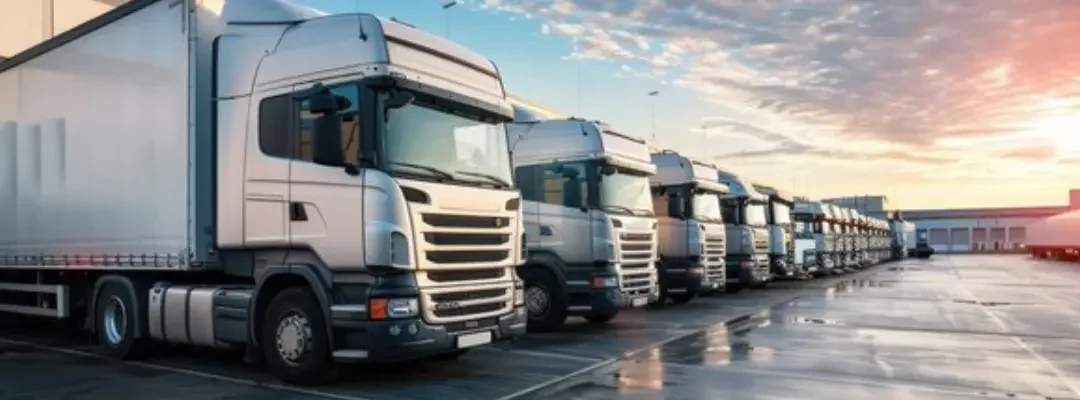
Truck rental means hiring a truck for a specific delivery or time period without owning the vehicle. It is one of the most practical options for material holders who need goods shifting and for drivers/operators who want a truck on rent to run trips without investing in a new vehicle.
In real operations, truck rental works best when three things are clear from the start:
- Truck type matches the load
- Pickup and unloading plan is confirmed
- Rate assumptions are transparent (toll, waiting, loading/unloading, return)
- This guide explains the full process step-by-step—so you can book confidently and avoid last-minute confusion.
Truck Rental Meaning
Truck rental is the service of hiring a commercial truck for transporting goods, usually with a driver, for:
- one-time delivery (one-way / round trip), or
- scheduled movement (daily/weekly/monthly), or
- business contracts (fixed routes/corridors)
- Truck rental is not only for big companies. SMEs, traders, warehouses, and small manufacturers use truck rental every day because it reduces capital risk and allows flexible capacity.
Who Uses Truck Rental Most?
1) Material holders / businesses
Truck rental is ideal when you:
- have seasonal dispatches (not daily)
- need different truck sizes depending on the load
- want to avoid maintenance, EMI, and idle vehicle cost
- need quick pickup coordination for goods shifting
2) Drivers / operators (who don’t own a vehicle)
Truck rental can help drivers start earning by:
- taking a vehicle on rent (availability-based)
- running planned trips with clear route details
- avoiding large upfront investment
Types of Trucks Available for Rental
Truck rental usually includes multiple categories:
1) By capacity (common classification)
- LCV (Light Commercial Vehicles): mini trucks, pickups for city/short routes
- MCV (Medium Commercial Vehicles): balanced option for regular goods movement
- HCV (Heavy Commercial Vehicles): bulk loads, long routes, industrial movement
2) By body type (risk-based selection)
- Open truck: pipes, steel, construction materials (rain/dust risk)
- Closed body truck: cartons, consumer goods, safer for weather exposure
- Container truck: higher protection + better security for longer routes
3) By job type
- Tippers: sand, aggregates, mining/construction loads
- Trailer / tractor: containers, bulkers, heavy industrial goods
- Quick rule: If goods are sensitive to rain/dust, shortlist closed body or container first.
Truck Rental Models
Different rental models suit different needs:
1) Per Trip / One-Way Rental
Best for: one-time dispatch, stock transfer, shifting goods.
You pay for the trip with agreed inclusions (distance, toll, waiting terms).
2) Round Trip Rental
Best for: return loads or when you need the vehicle back with you.
Often priced higher if the return is empty.
3) Daily / Monthly Rental (Contract-Based)
Best for: regular business movement on the same corridor.
Usually comes with rules for:
- max km per day/month
- driver availability
- maintenance responsibility (varies by agreement)
4) Vehicle on Rent for Drivers (Availability-Based)
For drivers who want a truck to run trips:
- rental terms are defined (daily/monthly/route-based)
- vehicle availability decides allocation
- clear documentation and condition checks are essential
How Truck Rental Works
Step 1: Share Trip Requirements
A proper booking starts with correct inputs:
- pickup location (pin + landmark)
- drop location (pin + receiver contact)
- material type + packing type
- approximate weight + volume
- truck type required (open/closed/container)
- loading method (manual/forklift/crane)
- preferred pickup time window
- unloading cut-off time (if any)
Step 2: Truck Matching (Vehicle Selection)
The booking team matches:
- truck size (to avoid under/over capacity)
- body type (open vs closed vs container)
- route suitability (access roads, turning radius, restrictions)
Step 3: Quote Confirmation (Rate + Assumptions)
A reliable quote should clearly mention:
- base rate (trip or km basis)
- toll included or extra
- loading/unloading included or extra
- waiting time policy (free hours + detention charge)
- one-way vs round trip assumptions
- any special requirements (tarpaulin, additional lashing)
Step 4: Pickup Scheduling
Once confirmed, pickup is scheduled as:
- a fixed slot or time window
- with driver contact shared
- with basic coordination for entry and loading access
Step 5: Transport + Updates
During transit, proper operations include:
- pickup confirmation
- delivery ETA updates (where possible)
- delivery confirmation/proof (as required by your business)
Step 6: Delivery Completion + Final Settlement
After delivery:
- unload completion is confirmed
- waiting/detention (if any) is calculated based on agreed terms
- final payment is settled as per the agreed method
What Affects Truck Rental Price?
Truck rental rates change mainly because of:
- Distance + route type (highway vs ghat vs city congestion)
- Truck category (LCV/MCV/HCV) and body type (open vs container)
- Fuel and demand (seasonal availability)
- Loading/unloading time (waiting/detention is a big cost)
- Return load availability (empty return increases cost)
- Material risk (fragile/high-value needs safer handling)
- Entry restrictions / night rules / permits (in certain zones)
Documents and Details You Should Keep Ready
For smooth operations, keep:
- material description (for handling clarity)
- invoice / delivery challan (as applicable)
- pickup and receiver contact details
- site entry instructions (factory gate rules, warehouse timings)
Common Mistakes to Avoid in Truck Rental
- booking without confirming truck body type (open vs closed)
- sharing approximate details and later changing material/weight
- not planning loading readiness (causes detention charges)
- ignoring unloading cut-off times at warehouses
- assuming toll is included without confirming
- choosing a smaller truck to “save cost” and ending up with two trips
Truck Rental for Drivers: What to Check Before Taking a Vehicle on Rent
If you’re a driver/operator renting a truck:
- verify vehicle condition (tyres, brakes, lights)
- check documents availability
- confirm rental terms (daily/monthly/route-based)
- clarify who handles maintenance and breakdown support
- understand trip allocation process (how trips are shared, how payouts work)
Why Choose Skyroots Logistics for Truck Rental
Skyroots Logistics operates in selected service corridors (not pan-India). This corridor focus helps truck rental work better because we can coordinate trips with more clarity and less last-minute confusion.
What material holders get
- truck matching based on load + access conditions
- clearer pickup scheduling and coordination
- transparent assumptions on rate and waiting policy
- practical support for goods shifting on active corridors
What drivers get (availability-based)
- route-ready vehicles on rent as per availability and agreed terms
- trip details shared clearly so planning is easier
- reduced idle time through better coordination
FAQs
1) What is truck rental?
Truck rental is hiring a commercial truck (usually with driver) for transporting goods for a trip, daily use, or monthly contract without owning the vehicle.
2) Is truck rental better than buying a truck?
Rental is better when trips are seasonal, load sizes vary, or you want to avoid EMI and maintenance. Buying suits stable, high-utilization operations.
3) How do truck rental charges work?
Charges are typically per trip or per km, plus tolls/entry (sometimes separate), and waiting/detention if loading/unloading is delayed.
4) Which truck is best for goods shifting?
For cartons or rain/dust-sensitive goods, closed body or container is usually safer. For steel/construction materials, open truck can work.
5) Can a driver rent a truck and run trips without owning one?
Yes—many drivers do this on availability-based terms, but rental conditions, documents, and support should be confirmed clearly before taking the vehicle.
Recent Comments