
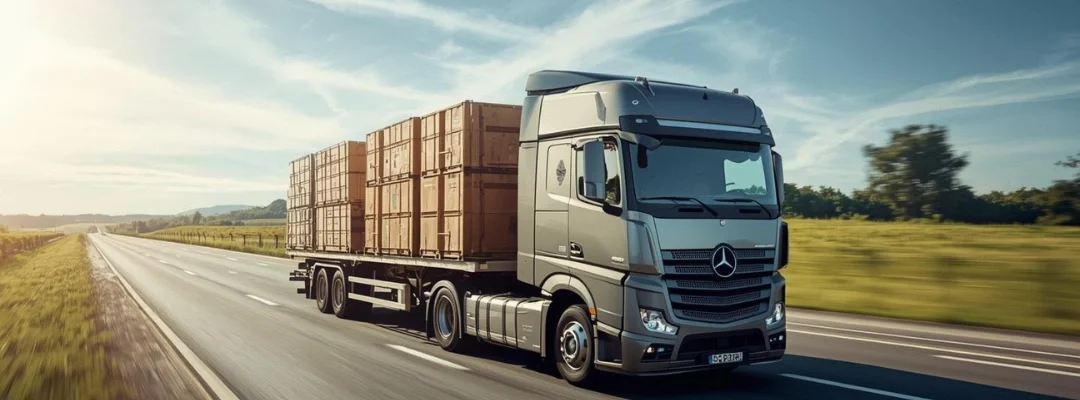
FMCG transport using truck cargo is an important part of the supply chain in India. Fast-moving consumer goods need regular movement from factories to warehouses, distributors, retailers, and regional markets. Since these products are sold in high volumes and require continuous replenishment, truck cargo remains one of the most practical and reliable transport solutions for the FMCG sector.
From packaged foods and beverages to personal care products and household items, FMCG goods must reach different markets on time to maintain stock availability. This is why truck cargo plays a key role in FMCG logistics planning.
What Is FMCG Transport Using Truck Cargo?
FMCG transport using truck cargo refers to the movement of fast-moving consumer goods by road using commercial trucks, container trucks, mini trucks, and other cargo vehicles. These services are used to transport goods between manufacturing units, warehouses, distribution centers, wholesalers, retailers, and market delivery points.
Truck cargo is highly suitable for FMCG logistics because it supports regular dispatches, flexible routes, and different load capacities based on shipment needs.
Why Truck Cargo Is Important for FMCG Transport
Truck cargo is important for FMCG transport because it supports:
- Regular stock movement
- Fast replenishment of distributor and retail inventory
- Regional and interstate distribution
- Transport of both bulk and medium-sized loads
- Supply chain continuity for daily-use products
- Delivery access across urban and rural markets
Because FMCG goods are consumed quickly and demand remains constant, truck cargo helps businesses avoid stock disruptions and maintain steady market supply.
Role of Truck Cargo in FMCG Logistics
Truck cargo supports multiple stages of FMCG logistics.
1. Factory to Warehouse Movement
Products are moved from manufacturing units to warehouses for storage and dispatch planning.
2. Warehouse to Distributor Supply
Truck cargo helps move goods from warehouses to distributors so they can serve retailers on time.
3. Retail Stock Replenishment
Retailers and supermarkets often need frequent replenishment of FMCG products. Truck transport supports this regular stock movement.
4. Hub-to-Hub Transfers
In larger supply chains, truck cargo is used to move products between regional hubs and logistics centers.
5. Interstate Distribution
Truck cargo helps FMCG brands distribute products across multiple states and regions efficiently.
Benefits of FMCG Transport Using Truck Cargo
1. Supports Continuous Product Availability
Truck cargo keeps products moving across the supply chain, helping businesses avoid stock shortages.
2. Suitable for High-Volume Movement
The FMCG sector handles large product volumes, and truck cargo is ideal for bulk transport between factories, warehouses, and distribution points.
3. Flexible for Different Load Sizes
Businesses can use full truck load for bulk dispatches and part load transport for smaller regional deliveries.
4. Helps Reach More Markets
Truck cargo supports distribution across cities, towns, semi-urban areas, and rural markets.
5. Improves Distribution Efficiency
With the right vehicle and route planning, truck cargo helps improve the efficiency of FMCG logistics operations.
6. Practical for Frequent Dispatches
FMCG businesses often require daily or repeated dispatches, and truck cargo supports this regular transport cycle.
7. Useful During Seasonal Demand
Festival seasons, promotional campaigns, and demand spikes often require faster stock movement. Truck cargo helps businesses respond effectively.
Common FMCG Products Moved by Truck Cargo
Truck cargo is used to transport a wide range of FMCG products, including:
Food and Beverage Products
Packaged snacks, biscuits, beverages, dairy items, and processed foods.
Personal Care Products
Soaps, shampoos, skincare products, oral care products, and grooming items.
Household Cleaning Products
Detergents, floor cleaners, dishwashing liquids, toilet cleaners, and disinfectants.
Home and Daily-Use Items
Paper products, plastic household items, kitchen products, and utility goods.
Baby Care and Hygiene Products
Diapers, wipes, powders, lotions, and hygiene essentials.
Health and Wellness Consumer Products
Over-the-counter wellness items, nutrition products, and personal hygiene goods.
Challenges in FMCG Transport That Truck Cargo Helps Solve
Truck cargo helps solve common FMCG logistics challenges such as:
- Frequent replenishment needs
- Wide distribution networks
- Sudden demand fluctuations
- Time-sensitive supply requirements
- Mixed shipment volumes
Its flexibility makes it easier for FMCG businesses to manage a large and active supply chain.
How to Choose the Right Truck Cargo Service for FMCG Transport
Businesses should consider the following:
Product Type
Some FMCG products need extra protection from heat, moisture, or rough handling.
Shipment Volume
Bulk transfer may need full truck load, while smaller regional movement may suit part load transport.
Delivery Frequency
Daily, weekly, or seasonal dispatch needs affect the transport plan.
Route and Destination
Urban, interstate, and rural market delivery may require different vehicle types.
Packaging and Protection Needs
Cartons, pallets, and packaged goods may need enclosed or container truck transport for safer movement.
Importance of Truck Cargo for FMCG Businesses in India
India’s FMCG market is large, diverse, and highly active. Products must move regularly between factories, warehouses, distributors, and retailers to maintain market supply. Truck cargo helps support this network with better flexibility, reach, and delivery practicality.
Since truck transport can handle both bulk stock transfer and smaller regional deliveries, it remains one of the most useful logistics solutions for FMCG businesses in India.
Why businesses choose Skyroots Logistics
- Reliable transport support for regular FMCG movement
- Flexible truck options for bulk and smaller shipments
- Timely delivery planning for fast stock replenishment
- Safe handling of packaged consumer goods
- Support for urban, regional, and interstate distribution
- Practical logistics solutions for growing supply chain needs
- Focus on smooth coordination and dependable service
FAQ About FMCG Transport Using Truck Cargo
What is FMCG transport using truck cargo?
It refers to the movement of fast-moving consumer goods by road using commercial trucks for supply, distribution, and stock replenishment.
Why is truck cargo important for FMCG logistics?
It supports regular stock movement, fast replenishment, regional distribution, and continuous product availability.
Which FMCG products are commonly transported by truck cargo?
Packaged foods, beverages, soaps, shampoos, detergents, household cleaners, personal care items, and other daily-use products.
Which truck cargo service is best for FMCG transport?
The best option depends on shipment size and route. FTL is suitable for bulk movement, while part load and mini trucks are useful for smaller deliveries.
Why is container truck transport useful for FMCG goods?
It helps protect packaged goods from rain, dust, and external exposure during transit.
Can truck cargo support FMCG distribution across India?
Yes. Truck cargo supports distribution across cities, towns, industrial areas, and rural markets, making it highly suitable for pan-India FMCG supply chains.
Recent Comments