
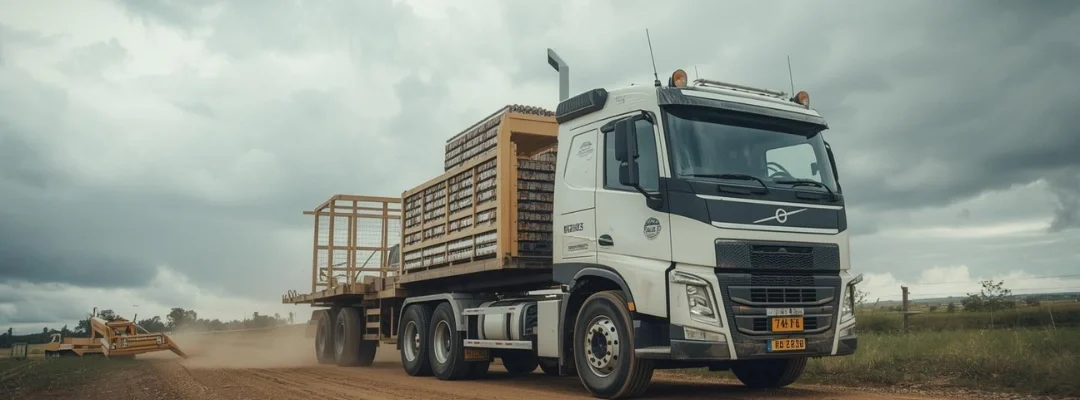
Truck transport is an essential part of construction logistics in India. Construction projects rely on the regular movement of cement, steel, sand, bricks, pipes, tiles, machinery parts, and prefabricated materials to keep work moving on schedule. Since material availability directly affects project progress, truck transport remains one of the most practical and dependable logistics solutions for the construction industry.
From small site deliveries to bulk supply for large infrastructure projects, trucks provide the flexibility needed to move materials efficiently from suppliers, warehouses, and stockyards to construction sites.
What Is Truck Transport for Construction Materials?
Truck transport for construction materials refers to the movement of building materials and project supplies by road using commercial trucks, tippers, trailers, container trucks, and other cargo vehicles. These transport services support residential, commercial, industrial, and infrastructure projects by ensuring direct and timely delivery to the site.
Why Truck Transport Is Important for Construction Materials
Truck transport is important in construction because it supports:
- Direct delivery to project sites
- Flexible movement of small and bulk loads
- Supply to urban, industrial, and remote locations
- Timely delivery of essential building materials
- Better coordination between suppliers and site teams
- Ongoing support for different project stages
Without reliable transport, construction projects may face delays, labor downtime, and supply chain disruptions.
Common Construction Materials Moved by Truck
Truck transport is used for many types of construction materials, including:
- Cement
- Sand and aggregates
- Bricks and blocks
- Steel and TMT bars
- Pipes and fittings
- Tiles and flooring materials
- Precast and fabricated components
- Machinery support items and site equipment
Different truck types are chosen depending on the material’s weight, size, and handling needs.
Types of Truck Transport Used for Construction Materials
1. Open Truck Transport
Open trucks are widely used for materials that do not require enclosed protection.
Best for: steel, pipes, bricks, blocks, scaffolding, general site materials
Benefits: easy loading, practical for bulky materials, suitable for regular supply
2. Tipper Trucks
Tipper trucks are useful for loose bulk materials that need quick unloading at the site.
Best for: sand, gravel, blue metal, soil, debris, aggregates
Benefits: faster unloading, efficient for bulk material movement
3. Trailer Transport
Trailers are used for heavy, long, or oversized construction materials.
Best for: heavy equipment, precast materials, structural steel, machinery, fabricated components
Benefits: supports heavy loads and large-dimension materials
4. Container Truck Transport
Container trucks are suitable for materials that need protection from weather, dust, or external exposure.
Best for: electrical items, fittings, finishing materials, interior products
Benefits: safer enclosed transport, better protection for packaged goods
5. Mini Trucks and Light Commercial Vehicles
Mini trucks are ideal for short-distance delivery and smaller construction supply requirements.
Best for: paints, hardware, plumbing items, small tile loads, maintenance supplies
Benefits: useful for city deliveries and smaller project loads
Benefits of Truck Transport for Construction Materials
1. Direct Site Delivery
Trucks can move materials directly from the supplier to the project location, reducing extra handling.
2. Flexible for Different Load Sizes
Construction projects may need both small daily deliveries and large bulk movements. Truck transport can support both.
3. Supports Different Project Stages
Foundation work, structural work, finishing, and utility installation all require different materials. Trucks help deliver them as needed.
4. Helps Maintain Project Timelines
On-time delivery of materials reduces work stoppage and improves site coordination.
5. Reaches Urban and Remote Sites
Truck transport can serve city projects, industrial developments, and rural infrastructure work more easily than many fixed transport modes.
6. Suitable for Repeated Supply
Construction projects often need continuous movement of materials over long periods. Truck transport supports this regular supply cycle.
Challenges in Construction Material Transport
Construction material transport requires proper planning. Some common challenges include:
- Heavy or fragile load handling
- Narrow roads or difficult site access
- Protection for moisture-sensitive or breakable materials
- Delivery scheduling based on site requirements
- Matching the right truck to the load
Choosing the correct transport type helps reduce delays, damage, and unnecessary cost.
How to Choose the Right Truck Transport
Businesses should consider these factors before selecting a truck:
Type of Material
Loose materials, packaged goods, heavy equipment, and long structural items all need different transport solutions.
Load Volume
Large volumes may need bulk trucks or repeated deliveries, while smaller projects may use mini trucks.
Delivery Frequency
Some projects need daily supply, while others need periodic bulk movement.
Route and Site Access
Road conditions and unloading access at the site influence truck selection.
Loading and Unloading Method
Available cranes, forklifts, labor, or site equipment should be considered before planning transport.
Industries and Projects That Need Construction Material Transport
Truck transport for construction materials is widely used in:
- Residential building projects
- Commercial construction
- Industrial building work
- Road and bridge projects
- Infrastructure development
- Warehouse construction
- Factory construction
- Real estate projects
- Public utility works
FAQ About Truck Transport for Construction Materials
What is truck transport for construction materials?
It refers to the movement of building materials such as cement, steel, sand, bricks, pipes, and tiles by road using commercial trucks and cargo vehicles.
Which truck is best for transporting construction materials?
The best truck depends on the material. Tipper trucks are ideal for sand and aggregates, open trucks are useful for steel and bricks, and trailers are suitable for heavy or oversized materials.
Why is truck transport important in construction projects?
It ensures timely material delivery, supports phased project work, and helps prevent delays caused by supply shortages.
What construction materials are commonly moved by truck?
Common materials include cement, sand, gravel, bricks, blocks, TMT bars, steel sections, tiles, pipes, and site equipment.
Can truck transport support both small and large construction projects?
Yes. Truck transport can handle small local deliveries as well as bulk movement for large residential, commercial, and infrastructure projects.
How do I choose the right truck for construction material delivery?
You should consider the material type, volume, weight, unloading method, route condition, and site access before choosing a truck.
Recent Comments