
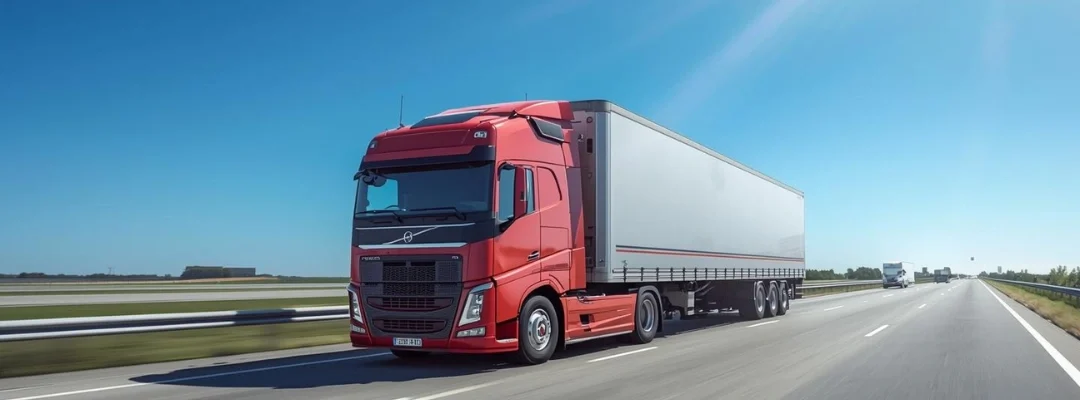
Truck cargo plays an important role in India’s logistics and supply chain system. From factory dispatches and warehouse movement to retail distribution, port cargo, e-commerce deliveries, and industrial transportation, trucks continue to support daily business movement across the country.
But the truck cargo industry is changing. Businesses are no longer looking only for vehicle availability. They now expect better planning, faster booking, shipment visibility, route coordination, cost control, and reliable delivery performance.
This blog explains the major trends shaping the future of truck cargo in India and what businesses should prepare for.
Why the Truck Cargo Industry is Changing
Earlier, truck cargo movement was mostly handled through phone calls, local transporters, manual rate negotiation, and limited shipment visibility. Today, businesses want more organized logistics support.
The change is happening because of:
- Growing manufacturing activity
- Higher customer delivery expectations
- Expansion of e-commerce and retail distribution
- More demand for time-sensitive cargo movement
- Rising fuel and operating costs
- Need for better vehicle utilization
- More focus on tracking and transparency
- Growth of multimodal logistics
As a result, the truck cargo industry is moving from basic vehicle arrangement to more planned and technology-supported transport management.
1. Digital Truck Booking Will Become More Common
One major change in the truck cargo industry is digital booking. Businesses prefer quicker and more transparent ways to arrange trucks instead of depending only on manual calls.
Digital truck booking can help customers:
- Share cargo details easily
- Compare suitable transport options
- Confirm vehicle requirements faster
- Reduce manual follow-ups
- Track booking status
- Maintain shipment records
For logistics companies, digital booking also improves coordination between customers, transport vendors, drivers, and operations teams.
2. Shipment Tracking Will Become a Standard Expectation
Earlier, customers had to call transporters repeatedly to know where their cargo was. Now, shipment visibility is becoming a basic expectation.
Businesses want regular updates on:
- Vehicle placement
- Pickup status
- Loading status
- Transit movement
- Expected delivery time
- Delay alerts
- Proof of delivery
In the future, truck cargo customers will expect better tracking, proactive communication, and faster exception handling.
Tracking is not only useful for customers. It also helps logistics teams identify delays, route issues, unloading problems, and delivery risks at an early stage.
3. FTL and LTL Planning Will Become More Important
Truck cargo movement is not always about booking a full truck. Businesses are now becoming more cost-conscious and want the right transport option for each shipment.
FTL is useful when cargo volume is large or direct movement is required. LTL is useful when cargo is smaller and cost saving is important.
In the future, businesses will focus more on choosing between full truck load and part-load movement based on:
- Cargo size
- Delivery urgency
- Route
- Cost requirement
- Handling requirement
- Delivery timeline
Better FTL and LTL planning can help reduce cost and improve vehicle utilization.
4. Route Planning Will Play a Bigger Role
Good route planning can reduce delays, avoid unnecessary cost, and improve delivery reliability.
In truck cargo movement, route planning depends on:
- Distance
- Road condition
- Toll cost
- Delivery timeline
- Vehicle type
- Loading and unloading points
- City entry restrictions
- Weather or route disruptions
- Driver availability
As customer expectations increase, logistics companies will need stronger route planning and monitoring systems.
5. Express Trucking Demand Will Grow
Many businesses need urgent cargo movement. This includes spare parts, production materials, export cargo, samples, emergency stock, and time-sensitive goods.
Express trucking will continue to grow because businesses want faster solutions for critical shipments.
However, express trucking should be used carefully. It is useful for urgent cargo, but using express movement for every shipment can increase logistics cost. Businesses should separate urgent cargo from planned cargo to manage cost better.
6. Truck Rental and Flexible Vehicle Usage Will Increase
Not every business wants a complete managed transport solution every time. Some customers need trucks on rental for local movement, warehouse shifting, temporary distribution, seasonal demand, or commercial goods movement.
Truck rental services give businesses flexibility when they need vehicles for specific requirements.
In the future, truck rental will become more organized with better vehicle selection, clearer pricing, booking support, and coordination.
7. Better Vendor and Driver Coordination Will Matter
The truck cargo industry depends heavily on transport vendors, drivers, loading teams, and delivery teams. Poor coordination can create delays even if the truck is available.
Future-ready logistics companies will need better systems for:
- Vendor onboarding
- Vehicle confirmation
- Driver communication
- Pickup coordination
- Loading updates
- Delivery follow-up
- POD collection
- Payment and documentation records
Strong vendor coordination will become a major advantage in road transport.
8. POD and Documentation Will Become More Organized
Proof of Delivery is important for shipment closure, customer confirmation, billing, and dispute resolution.
In many transport movements, billing is delayed because POD is not collected on time or documents are incomplete.
The future of truck cargo will include more organized POD management through digital upload, faster verification, and better document storage.
Businesses should also keep transport documents ready before dispatch to avoid delays during pickup or delivery.
9. Cost Control Will Remain a Major Priority
Transport costs can increase due to fuel, tolls, waiting time, detention, wrong vehicle selection, poor planning, and last-minute booking.
Businesses will continue looking for ways to reduce truck cargo costs without affecting delivery quality.
Cost control can improve through:
- Advance shipment planning
- Right vehicle selection
- FTL and LTL comparison
- Route planning
- Shipment consolidation
- Reduced loading delays
- Clear freight terms
- Reliable transport partners
The future of truck cargo will belong to companies that can balance cost, reliability, and service quality.
10. Multimodal Logistics Will Support Truck Cargo
Truck cargo will remain important, but it will increasingly work together with rail, air, ports, ICDs, CFS facilities, and warehouses.
For example:
- Truck movement from factory to rail terminal
- Truck movement from ICD to factory
- Factory-to-port cargo movement
- Warehouse-to-airport urgent cargo movement
- Last-mile delivery after rail movement
This means truck cargo will not work alone. It will become part of a larger logistics network where road transport connects different transport modes.
What Businesses Should Do to Prepare
Businesses that depend on truck cargo should start improving their transport planning.
They should focus on:
- Sharing accurate cargo details
- Planning dispatches in advance
- Choosing the right vehicle type
- Comparing FTL and LTL options
- Using shipment tracking
- Keeping documents ready
- Reducing loading and unloading delays
- Working with reliable logistics partners
- Reviewing delivery performance regularly
These steps can help businesses reduce cost, improve delivery timelines, and avoid transport disruptions.
Common Challenges in the Future Truck Cargo Industry
Even with technology and better systems, some challenges will continue.
Common challenges include:
- Vehicle availability during peak demand
- Fuel cost fluctuations
- Route delays
- Driver shortage in some routes
- Loading and unloading delays
- Documentation issues
- Overloading risks
- Payment and credit delays
- Customer demand for faster delivery
Businesses should not depend only on low freight rates. They need better planning, communication, and logistics support.
How Skyroots Logistics Supports Future-Ready Truck Cargo Movement
Skyroots Logistics supports businesses with planned road transport coordination for cargo movement across India. Our team helps customers with vehicle planning, route coordination, shipment updates, delivery follow-up, and POD support.
For businesses that need regular cargo movement, urgent dispatches, truck rental, full truck load, part-load movement, or long-distance transportation, a structured logistics approach can improve cost control and delivery performance.
FAQs
1) What is the future of the truck cargo industry in India?
The truck cargo industry is moving toward digital booking, better shipment tracking, improved route planning, organized vendor coordination, and more cost-effective transport planning.
2) Will truck cargo remain important in logistics?
Yes. Truck cargo will remain important because road transport connects factories, warehouses, ports, rail terminals, distribution centers, and customer locations.
3) How will technology improve truck cargo movement?
Technology can improve truck cargo movement through online booking, GPS tracking, digital POD, automated updates, route planning, and better shipment visibility.
4) Why is shipment tracking important in truck cargo?
Shipment tracking helps businesses monitor cargo movement, identify delays early, improve customer communication, and coordinate delivery better.
5) How can businesses prepare for the future of truck cargo?
Businesses can prepare by planning shipments in advance, choosing the right vehicle, using tracking, keeping documents ready, comparing transport options, and working with reliable logistics partners.
Recent Comments